






6 Days Motorcycle Tour From Marrakech

6 Days Motorcycle tour from Marrakech
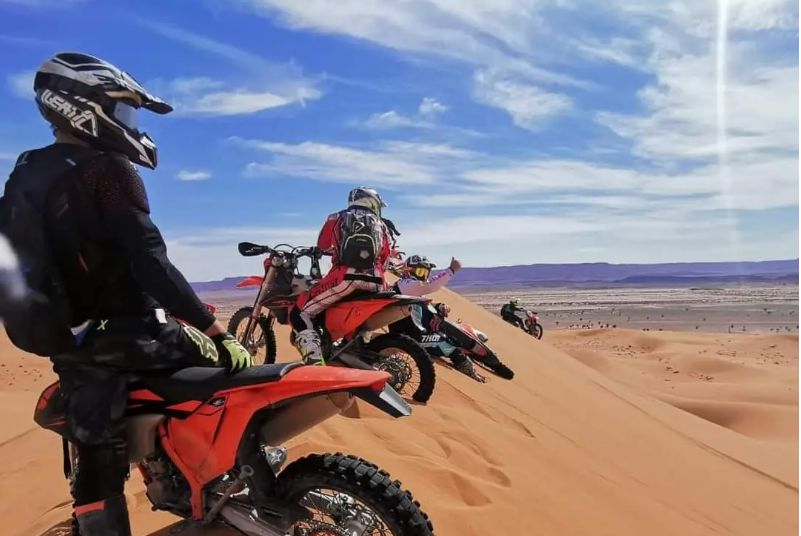
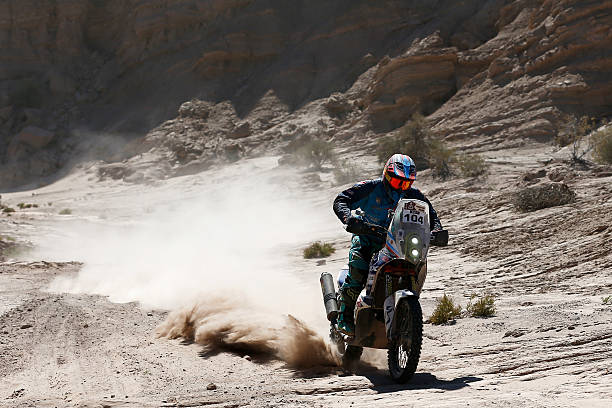
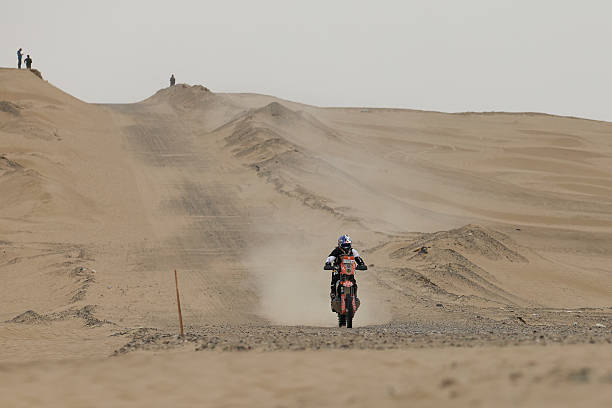
This carefully crafted 6 Days Motorcycle tour from Marrakech takes you on a circular route starting and ending in Marrakech. Passing through iconic destinations like Ouarzazate, Tinghir, Zagora, Foum Zguid, Taroudant, and Ouirgane. Whether you’re riding in a private 4×4 or part of a small group tour. Each day reveals a new chapter of Morocco’s diverse geography and rich culture. Expect winding mountain passes, desert oases, vibrant souks, and warm encounters with local communities. This is the perfect journey for travelers seeking a blend of natural beauty, history, and authentic Moroccan hospitality.
Day 1: Marrakech to Ouarzazate – Through the High Atlas Mountains
Your 6 Days Motorcycle tour from Marrakech begins early in Marrakech. As you leave the vibrant city behind and begin your ascent into the High Atlas Mountains. The drive along the Tizi n’Tichka Pass is a spectacular introduction to Morocco’s dramatic terrain. Offering winding roads, terraced farms, and panoramic views of snow-capped peaks (in winter/spring). Stop for mint tea or a tagine lunch at a local mountainside café. About 30 km before Ouarzazate, take time to explore the famous Ait Benhaddou. A fortified ksar with centuries-old earthen buildings that has served as a set for Game of Thrones, Gladiator, and many others. Arriving in Ouarzazate, you’ll discover a city shaped by Berber heritage and film culture. Visit the Kasbah Taourirt, an architectural marvel with hundreds of rooms, then tour the Atlas Film Studios if you’re intrigued by movie magic. End the day at a rooftop riad with views over the vast desert plain.
Day 2: Ouarzazate to Tinghir – Through the Valley of Roses and Dades Gorge
After breakfast, continue east along the Road of a Thousand Kasbahs, dotted with fortress-like homes and lush oases. Your first scenic stop is Kelaat M’Gouna, the heart of the Valley of Roses, especially vibrant in April and May when fields bloom with Damascus roses. Local cooperatives here sell rosewater and handmade cosmetics.
Continuing into the Dades Valley, marvel at the twisting “Monkey Fingers” rock formations and the steep switchbacks of Tissadrine Road. If you have time, take a short walk through Berber villages and meet locals harvesting figs, almonds, or olives. By afternoon, you’ll reach Tinghir, nestled in a verdant palm grove. From here, a quick drive leads to the impressive Todra Gorge, where 300-meter cliffs rise dramatically on either side of a crystal-clear stream. It’s a favorite spot for climbers and hikers, but also ideal for a gentle walk. Spend the night in a kasbah-style hotel or a simple guesthouse, listening to the sounds of nature and distant drums.
Day 3: Tinghir to Zagora – Crossing Desert Landscapes via Nkob
Set out southward from Tinghir through the rocky plateaus of the Jbel Saghro range, a quiet and rugged land where time seems to slow. Stop in Nkob, a remote village famed for its 45 mudbrick kasbahs, many of which have been restored as small guesthouses. It’s a perfect place to stop for a Berber lunch and explore the tranquil palm oasis nearby. As you continue driving, the landscape transitions into the palm-lined Draa Valley, Morocco’s longest river valley.
You’ll be surrounded by an almost endless stretch of date palms and fortified ksour (villages), with ancient irrigation channels still feeding the fields. Before arriving in Zagora, take a detour to Tamegroute, an important religious center where you can visit the ancient Koranic library housing manuscripts from as far away as Timbuktu. The local pottery workshops are also worth a visit. Zagora itself is a quiet desert town, once a caravan stop on the route to Timbuktu. End the day with a camel ride or sunset tea in a palm grove, and consider sleeping in a desert camp under the stars for an unforgettable experience.
Day 4: Zagora to Taroudant – Across the Southern Desert via Foum Zguid
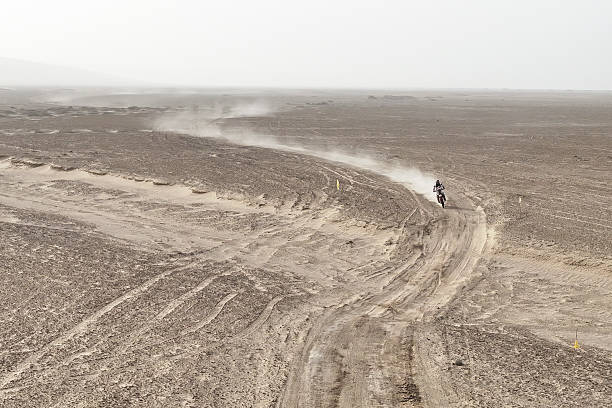
This is the most adventurous driving day, taking you deep into Morocco’s pre-Saharan wilderness. From Zagora, head west across a little-traveled road to Foum Zguid, a remote desert town nestled at the edge of the rocky Sahara. The journey is marked by lunar-like scenery, barren hills, volcanic rock formations, and isolated nomadic camps. Stop in Foum Zguid for fuel, snacks, or a glimpse of local life far removed from the tourist trail.
From here, continue northwest along the edge of the Iriki National Park (if detouring south via Lac Iriki) or take the more direct paved route toward Taliouine, known for its saffron production. Finally, you’ll descend into the Souss Valley and reach Taroudant, surrounded by massive clay walls and buzzing with artisanal energy. Wander the medina, shop for argan oil, and visit the Berber souks, less chaotic but more authentic than those in Marrakech. Overnight in a restored riad tucked into the old city’s alleyways.
Day 5: Taroudant to Ouirgane – A Scenic Climb over the Tizi n’Test Pass
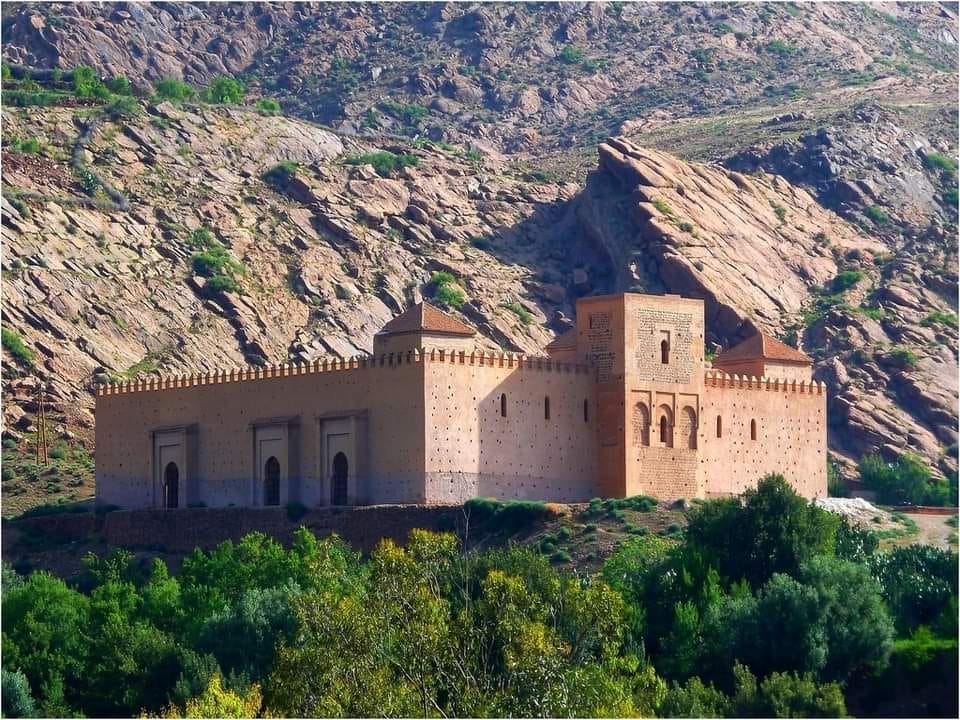
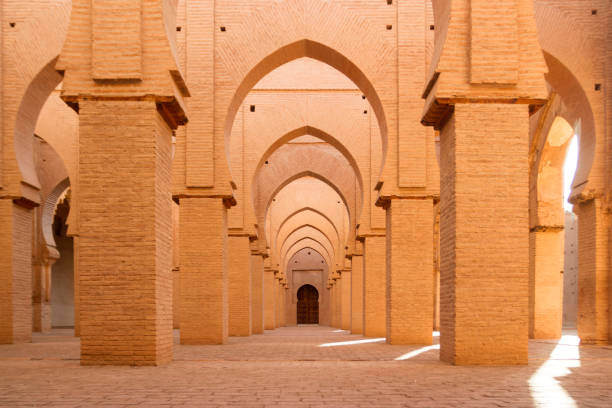
Depart Taroudant and begin a beautiful mountain ascent into the Anti-Atlas, passing through small villages and terraced farms. The winding climb up the Tizi n’Test Pass is both thrilling and photogenic, with switchbacks clinging to mountain ridges and ever-changing views of the valleys below. About halfway up the pass lies the Tinmel Mosque, a hidden architectural gem from the 12th century, once the spiritual capital of the Almohad dynasty. Continuing north, the landscape shifts into forests and rolling hills as you reach Ouirgane, a peaceful village nestled in the Toubkal National Park. Far less visited than Imlil or Asni, Ouirgane is perfect for relaxing or gentle hiking through pine forests and olive groves. Enjoy dinner at a quiet eco-lodge, and perhaps spend the evening by the fireplace, reflecting on your journey from the desert to the mountains.
Day 6: Ouirgane to Marrakech – Return to the Red City
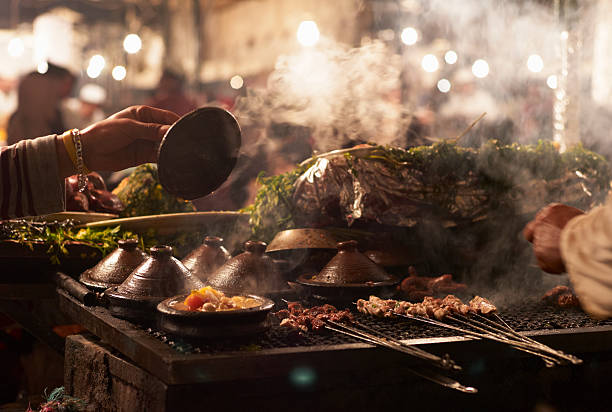
The last day of you 6 Days Motorcycle Tour from Marrakech, After breakfast, take time to soak in the serenity of Ouirgane’s natural beauty. You may choose to visit a local Berber family, explore a nearby salt mine, or take a short walk along the Oued Nfis river. The drive back to Marrakech is a smooth and scenic descent into the plains, with views of the High Atlas peaks behind you. Arriving by early afternoon, you’ll have time to return your vehicle or meet your guide, and re-enter the energy of the city. Dive into the souks of the medina, visit the tranquil Majorelle Garden, or indulge in a traditional hammam and massage to unwind. Cap off your journey with a sunset rooftop dinner near Jemaa el-Fnaa, where the rhythm of storytellers, snake charmers, and street food signals the end of a truly magical ride through Morocco’s wild and wonderful landscapes.
TOUR ON MAP
PRIVATE JET TOUR ON CHOICE
Accommodations & Activities
Private Car Tour On Choice
INCLUDING PRESTATIONS
PRICES & AVAIBILITY
- Private Luxury Transportation Throughout The Tour.
- Personalized, Guided Tours in Key Destinations.
- Tour Desert On Camel For 2 Hours
- Quad Experience For 2 Hours
- Air Ballooning Experience Around Marrakech Villages For 2 Hours
- Buggy Experience For 2 Hours
- Parachut Jump With Photos & Videos Package
- All accomodations are in single room
- Airport Meet in Morocco and Greet with Private Transfers
- 24/7 MLV On-Call Support
- Internet access
- Meals (Not included )
- Entrance Fees, Taxes and All Gratuities Except Resident Tour Director
- Travel insurance ( Not included
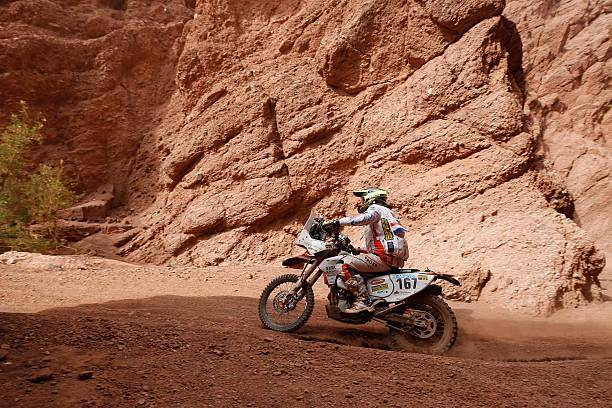
- Fully equipped off-road motorcycle rental (KTM, Husqvarna, or equivalent)
- Professional bilingual motorcycle guide
- 4×4 support vehicle with mechanic and luggage transport
- 7 nights of accommodation (hotels, kasbahs, desert camps)
- All meals (breakfast, lunch, dinner)
- Drinking water during riding days
- Fuel for the full route
- Cultural stops, visits, and scenic detours
- Travel insurance
- Tips for guides and staff
- Optional activities (camel rides, hammam, sandboarding)
- Personal purchases
- 1 night on half board in OZ HOTEL PALACE
- 1 night on half board in Hotel Xaluca Dades
- 1 night on half board in HOTEL ZAGORA PALACE
- 1 night on half board in HOTEL ATLAS LUXURY GARDEN
- 1 night on half board in PALACE CLAUDIO BRAVO
FROM 17 APRIL TO 15 JUIN 2025
FROM 16 JUIN TO 20 OCTOBER 2025
FROM 21 OCTOBER TO 15 DECEMBER 2025
FROM 16 DECEMBER TO 15 FEBRURY 2026
Packing Tips for the 6 Days Motorcycle Tour from Marrakech
- Motorcycle jacket (vented, with armor)
- Layered clothing: temps shift fast between desert, valley, and mountain
- Riding gloves and protective pants
- Hydration pack or refillable bottle
- Buff or scarf for sand/dust protection
- Sunglasses and sunblock
- Waterproof bag or backpack for small personal items
- Cash in Moroccan dirhams for remote stops
- Comfortable shoes for walking in gorges and kasbahs
- Camera or GoPro – you’re going to want it
YOU MAY LIKE ALSO

FAQ
Whether you need a visa depends on your nationality. You can submit and track applications for E-Visa or AEVM (Electronic Travel Authorizations to Morocco) through the Acces Maroc portal.
The maximum duration for a tourist trip is 90 days. If you need to stay longer, you can request an extension at the nearest police station for an additional 90 days.
Currency exchange is available at airports, banks, hotels, and city exchange offices. You’ll need to present your passport for the transaction.
Currency exchange is available at airports, banks, hotels, and city exchange offices. You’ll need to present your passport for the transaction.
Yes, international credit cards such as Visa and MasterCard are widely accepted in hotels, some restaurants, shops, and petrol stations. ATM machines for cash withdrawals are also widespread in Morocco.
Yes, you can find internet access at cafes, hotel lobbies, and occasionally free Wi-Fi in public areas. However, internet access in rural areas can be limited. A smartphone with the right plan can provide connectivity almost everywhere.
Both modern flushable toilets and Turkish toilets are available. Tours often aim to visit places with modern facilities.
No, it’s advised to drink bottled water and avoid using tap water for drinking or brushing your teeth. Bottled water is typically provided.
ATM machines are common in airports, metropolitan areas, and medinas but are rare in rural areas. Carry enough cash when traveling outside cities.
Public holidays vary annually due to the lunar calendar. Key holidays include:
- New Year’s Day: January 1
- Independence Manifesto Day: January 11
- Milad un Nabi (Prophet’s Birthday): Varies
- Labor Day: May 1
- Throne Day: July 30
- Eid al-Fitr: Varies
- Eid al-Adha: Varies
- Independence Day: November 18
Yes, Morocco prioritizes the safety of its visitors. To avoid issues, choose a reliable travel company and avoid suspicious places. Local authorities and police are available in tourist areas to address any concerns.
When visiting Morocco, wearing pants and a shirt is common and appropriate, as most locals dress this way. In rural areas, long pants and a long-sleeved shirt can offer protection from the sun and wind.
Pack essential items such as a hat, sunglasses, sunscreen, and insect repellent. Comfortable footwear is vital for extended walking. Consider bringing the following:
- Shawl or scarf: Useful as a wrap, headscarf, or sun shield.
- Comfortable shoes and sandals: A pair for all-day wear and flip-flops or lightweight sandals for comfort.
- Loose-fitting clothing: Choose lightweight, breathable fabrics to stay cool. Avoid tight clothing, and opt for tops with short sleeves or sleeveless styles.
Adapt your wardrobe to the season: layer in winter and opt for light outfits in summer. For formal occasions or upscale dining, bring appropriate attire like a dress or suit.
Yes, alcohol consumption is allowed in licensed venues such as hotels and restaurants. However, drinking in public places and transporting alcohol across the border is prohibited by law. As Morocco is a Muslim country, these restrictions align with local customs and regulations.
It’s challenging to obtain Moroccan Dirham outside the country as it’s a closed currency. Those who manage to do so often face high bank commissions. Once in Morocco, you’ll find ATMs, exchange points, and banks widely available. Many businesses, shops, and restaurants accept credit cards, though a 5% transaction fee is often applied.