






15 Days Morocco Tour From Agadir City
Day 1: Agadir Arrival
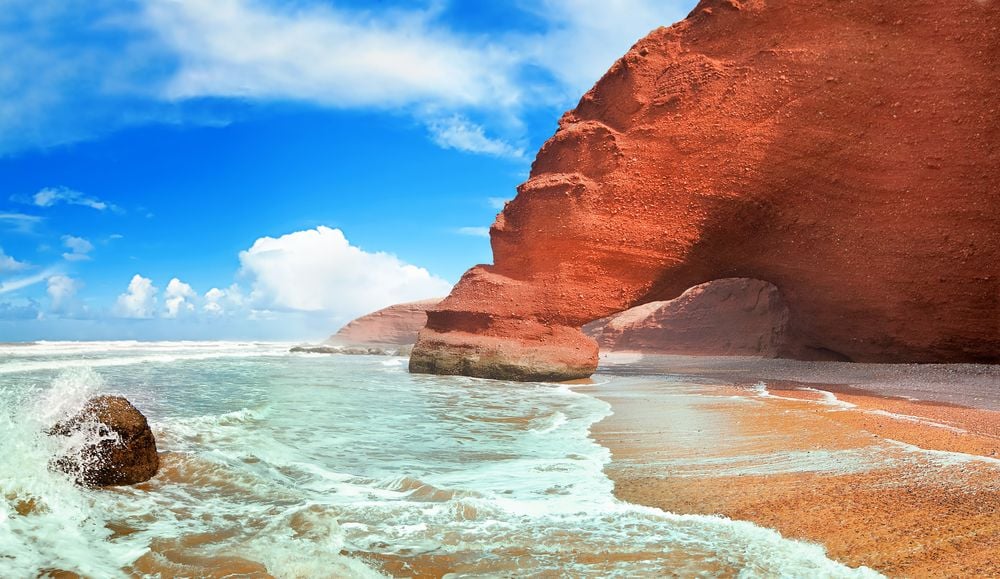
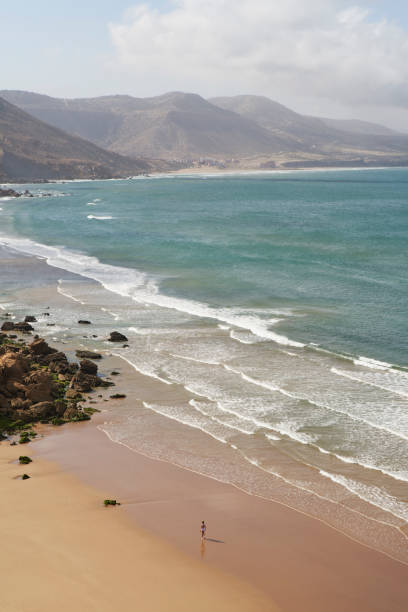
In this Morocco Grand tour, you will definitely get into the most beautiful beach city in Morocco known as Agadir. Spend time and spend little time admiring some places such as Hotels. In Agadir, for instance there is time to sun-bathe on the beach or even walk along the promenade. In the evening take seafood in one of the restaurants located near the sea shore or have a drink besides the sea.
Walking around the shops and cafes of the city will provide a good insight of the locals lifestyle. Actually, Agadir is a combination of a modern and classical city where you can meet the Moroccan souks and posh cafes. If you’ve got time, you should visit Agadir’s Kasbah – it’s a fort, located on the hill, with a great option of the city and the sea view.
Day 2: Agadir to Essaouira
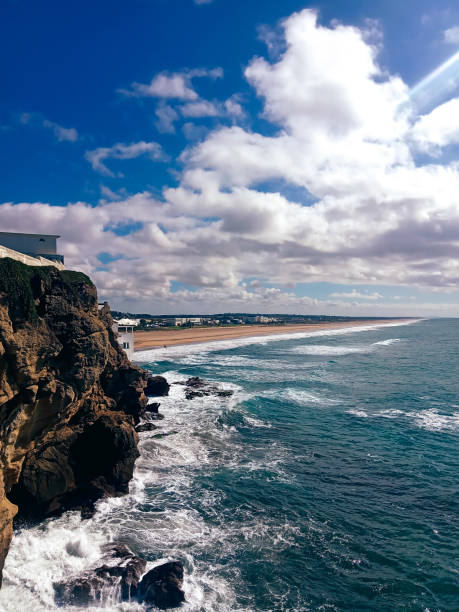
In the morning drive to Essaouira which is 3 hours away from Agadir. The coastal road is mainly lined with beautiful views of the Atlantic Ocean. Once arrive you should visit the medina of Essaouira that got an excellent mix of the Moorish architecture and rilaxed mood. The city has white-and-blue buildings, numerous small galleries displaying paintings, sculptures and souvenirs, full of living, modern artisans’ ateliers.
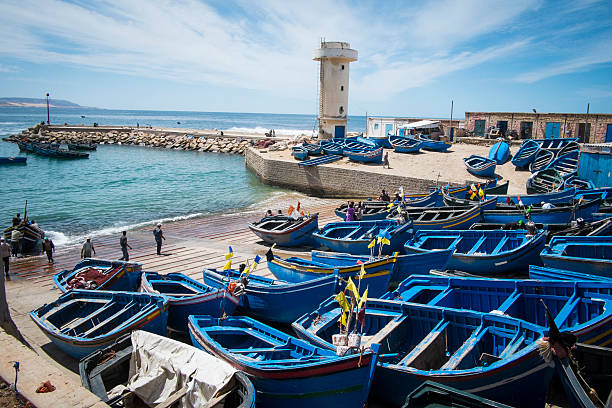
Walk through the walls and watch fishermen of the city bringing in the day’s haul. Moroccan cuisine is famous seafood and it will be disgraceful to visit Essaouira and not taste the freshly grilled fish at one of the restaurants that borders along the beach. During an evening you can take a walk on the seashore where you can feel the cool sea breeze.
Day 3: Essaouira Exploration
For today of this Morocco grand tour, you get to know the pleasant face of Essaouira by visiting its fish markets and the medina which is being under the protection of UNESCO. Fortunately without fail the atmosphere of the port is vibrant with numerous colorful fishing boats and local fishermen selling different types of fresh seafood. When walking down the souk of the medina one can buy everything starting from carved wooden items to colourful pieces of fabrics.
There are plenty of art galleries to stop in at since arts and crafts are attributed to the city of Essaouira. For the evening, it is also possible to go for a walk in the evening to watch the sunset on the seashore or-checkbox several options ‘Visit more charismatic cafes in the evening. In particular, getting around Essaouira is quite a leisurely affair as is the entire mood of the town.
Day 4: Essaouira to Marrakesh
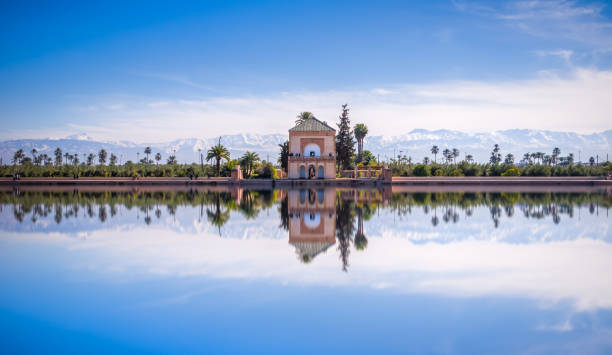
Your day today is the transfer from the coastal town of Essaouira, through the 3-hour drive richly scenic through the Saharan desert vastness to Marrakesh. When getting to Marrakesh, it is recommended to stay in a hotel for sometime and experience the lively city. The city also has the traditions famous towns with lively squares, historic palaces and sculptured gardens. On your first day I recommend you start with the Djemaa el-Fna square where locals perform, different Moroccan dishes are sold, and where you can definitely feel the energy of Moroccan city.
In the evening, the square becomes a stage – for musicians, dancers, and Storytellers are actively performing. Find the energetic, merriment atmosphere and if you feel hungry try some Moroccan dishes in the Restaurants selling foods such as tagine or couscous. It is a sensory experience – Marrakesh.
Day 5: Marrakesh Sightseeing
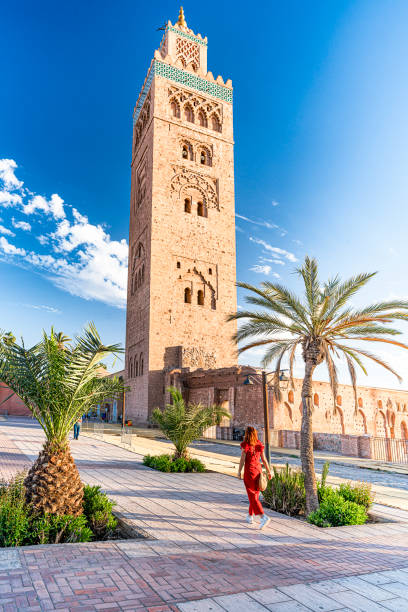
The first place to go is the Majorelle Garden, a beautiful peaceful park in the middle of Marrakesh. A scenic and photogenic garden, this area was the private estate of the famous designer Yves Saint Laurent until recently. The next destination should be the Koutoubia Jamé Mosque, one of the largest in Marrakesh that is recognized due to the enormous minaret.
In the afternoon, head out to the small narrow winding souks that can be found in Marrakesh. Here bargaining is a tradition; whether it is spices, fabric, or traditional arts and crafts you want to buy, bargaining is the way to go. A few of the many attractions to check include Bahia Palace, one of the few remaining 19th century buildings with beautiful gardens and tapestry. Other activities for the day may include taking a lunch and taking a civil and tasty dinner in one of the cuisines in the city.
Day 6: Marrakesh to Ouarzazate
Today, get a transport out of Marrakesh to Ouarzazate, which takes approximately four hours passing through Atlas Mountains. On the way, make a case at Ait Benhaddou, which is a world heritage site. The oldest presently inhabited ksar, consisting of huge closed fortresses and stairs made of adobe, became the set for such films as Gladiator and Game of Thrones. Go around the kasbah and enjoy stunning desert sceneries there.
Finally, get to Ouarzazate to take a rest or better work around the city also referred to as the ‘Gate of the Sahara.’ Directly behind it is the Taourirt Kasbah – another grand building that has featured in many movies. It is also one of the major centres of Moroccan film production since most of the studios are located in City.
Day 7: Ouarzazate to Merzouga
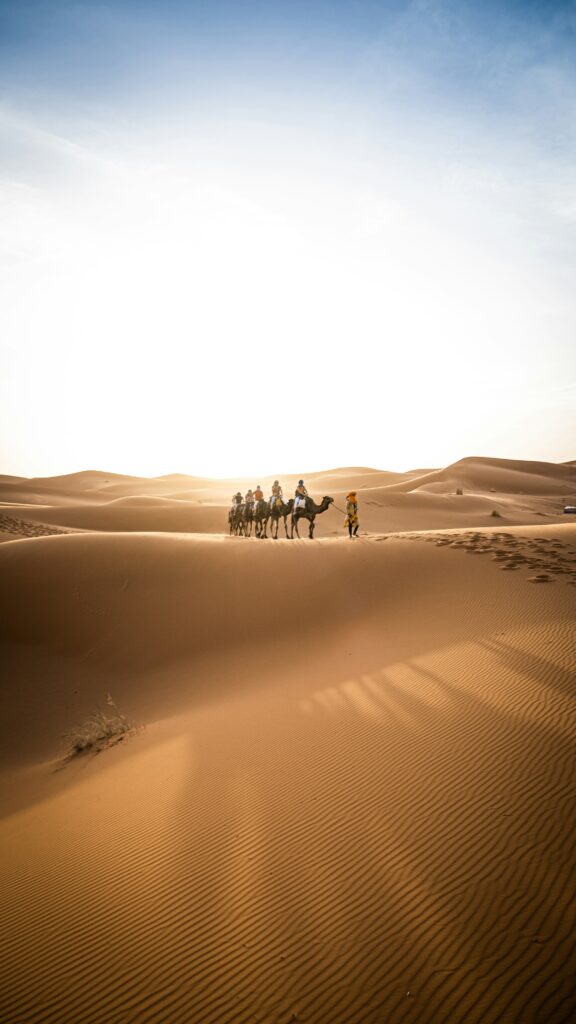
For this day of our Morocco grand tour, we drive out of Ouarzazate to the desert village of Merzouga – the start of the Sahara sand dune region. The drive passes through the spectacular Draa Valley and provides spectacular view on the desert scenery. On arrival, it is possible to settle in one of the desert camp’s, freshen up and then have dinner in one of the local Berber homes before preparing for the camel ride.
In the evening catch a camel ride into the dunes to watch the sunset set over the vast desert floor. It looks astonishing, as colors of the dunes change during the night which makes it truly unforgetful. Sleep in an oversized tent and discover the quietude of the mountain region in the Sahara.
Day 8: Merzouga Desert
Try to wake up before the dawn so that you can watch the planning of the hot mirage over the sand dunes. After the delicious breakfast you can go again for the second camel riding or travel around the nearby desert village. You can also visit the other part of the magnificent and gigantic sand dunes called Erg Chebbi. Afternoon is free time for the guests to spend in a comfortable camp and after the conquer of desert it will be really pleasant.
It is good time to think, take a break and see the beauty in the desert. Before retiring to sleep, get a Moroccan dinner in the evening, and prepare it in the campfire. The musicians that local communities can present could perform on native instruments, which would accentuate the feeling of being in the middle of the desert.
Day 9: Merzouga to Fes
Today’s ride is from Merzouga to Fes, Morocco’s famous city which holds large number of cultural significances. The drive takes about 7 hours, passing through small Moroccan towns and valleys. You’ll also cross the Middle Atlas Mountains. Upon arrival in Fes, check into your hotel and rest. In the afternoon, enjoy a short walk through the city’s old town, the medina, at dusk.
Fes has some of the oldest and well-preserved parts of Morocco with cobbled alleyways, souks and artisan’s houses. The city boasts a mix between the historical attractions, cultural orientated and a center of local activity, which are the highlights of your tour.
Day 10: Fes guided tour
On this day of our Morocco grand tour, we visit Bou Inania Madrasa that is an example of Islamic architecture all day in Fes. Go the oldest existing, continually functioning higher education facility of Al-Qarawiyyin University. Then visit the famous leather tanneries where you are able to have glimpse of dried leathers before tanning process in different colored solution.
Visit some interesting Fes markets to see the different crafts made there while walking through the narrow streets of the city. The medina is a world heritage centre and is rated among the best preserved in the Arab world. Savor lunch in one of the Moroccan local restaurants especially restaurants that offer authentic Moroccan cuisine.
Day 11: Fes to Chefchaouen
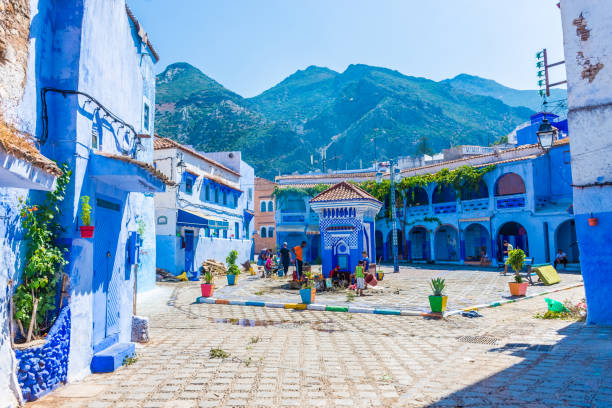
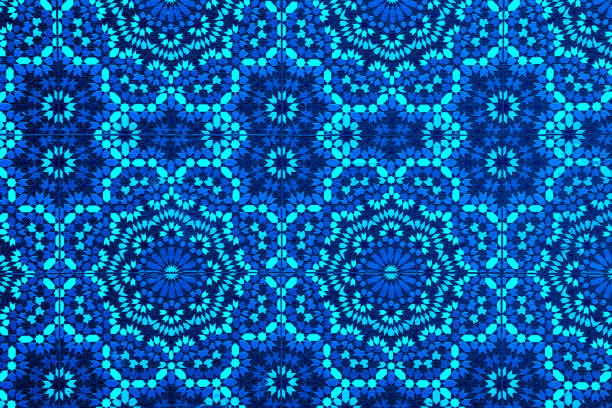
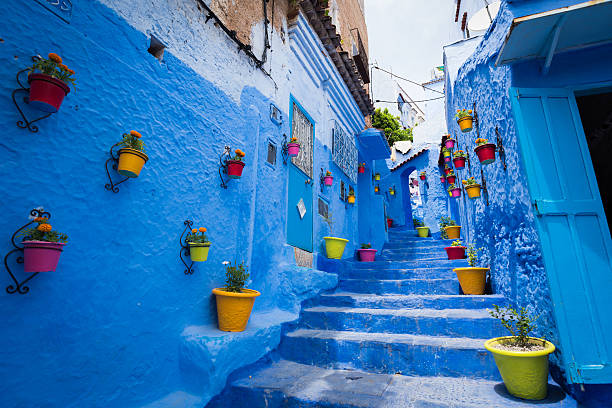
Drive from Fes to Chefchaouen, approximately about 4 hours trip. Moroccan Chefchaouen or Blue City is rather popular thanks to its blue-washed houses. On arrival, simply walk around, take a tour of the beautiful streets of the city. It is located in the Rif Mountains making it less hot and very quiet making it one of the most relaxing travel destinations in Morocco.
Temples are not the only wonder in the Jordan city; in the afternoon, a perfect visit is at the Plaza Uta el-Hammam that is the middle of the city. Sandwiches can be taken at a café while wandering around the markets is also possible. The building is blue; the climate, very crisp when you are up in the mountains, so for photographers, it is always good to capture moments, and if you are tired of the city rush, this is a perfect place to relax.
Day 12: Chefchaouen Exploration
One entire day should be set aside to tour the beautiful streets and scenery in Chefchaouen. The buildings, painted blue here and there, and the tight winding lanes are great for walking about and shooting with a camera. Therefore visit the kasbah museum and gain deeper understanding of the history of this part of the world. For an active day there is a short, steep walk up to the Spanish Mosque giving breathtaking views of the town and the surrounding mountain ranges.
Another thing that interested tourists are handmade products: woven blankets, wool scarfs and shawls, leather products and others. This city offers tourists great shopping experiences within small shops that display artisan products and the serenity that is Oran’s trademark in Morocco.
Day 13: Chefchaouen to Tangier
This morning go north towards Tangier, situated on the coast and is steeped in history. The drive should take you about 3 hours; on your arrival you should book into a hotel. For years, Tangier has been a melting point with Europeans and Africans crossing path in the city. Spend the afternoon in the Kasbah Museum a situated in the contemporary 17th-century building.
Discover the old town in Tangier the Medina with both Moroccan and European architecture with rich colors. Today the city is very active with numerous cafes and galleries which are proof of its cosmopolitan background. The view of the Mediterranean is impressing, and Tangier is situated close to the sea.
Day 14: Tangier Exploration
Spend the day visiting more of Tangier which includes the cave of Heracles. Currently it is one of the attractions for tourists due to a vast grotto and views of the Atlantic Ocean. Choose the visit of the American Legation Museum or follow the coastal Boulevard de la Corniche.
It also has an active medina where tourists can shop for art or grab a quick bite. In the evening, visit seaside restaurants offering a peaceful atmosphere and scenic sea views.
Day 15: Tangier Departure
If you have planned for the last day then have a relaxed start in the morning before your journey back home. You can go to any of the last planned attractions or simply spend the time to the hotel. Tangier is the right place to wrap up your Morocco trip due to the city’s diversified ethnical backdrop and breathtaking geography.
Lastly in your Morocco grand tour, we will drive you and drop you off at the airport for your flight out.
Tour on Map
Accommodations & Activities
PRIVATE CAR TOUR ON CHOICE
Including Prestations
- PRIVATE LUXURY TRANSPORTATION THROUGHOUT THE TOUR.
- Entrance Fees, Taxes and All Gratuities Except Resident Tour Director
- Meals ( not including)
- Travel insurance (Not including )
- Flights( not including)
- Internet access
- 1 night on half board in Hotel RIU TIKIDA PALACE
- 2 nights on half board in HOTEL SOFITEL PALACE
- 2 nights on half board in HOTEL PALACE LE ROYAL MANSOUR
- 1 night on half board in OZ HOTEL PALACE
- 1 night on half board in Camp Kalimba Desert
- All Acomodations are in single rooms
- 1 night on half board in Hotel Xaluca Arfoud
- 2 nights on half board in HOTEL PALACE RIAD FEZ and SPA
- 2 nights on half board in HOTEL TAJJ PALACE
- 2 nights on half board in HOTEL FAIRMONT TAZI PALACE
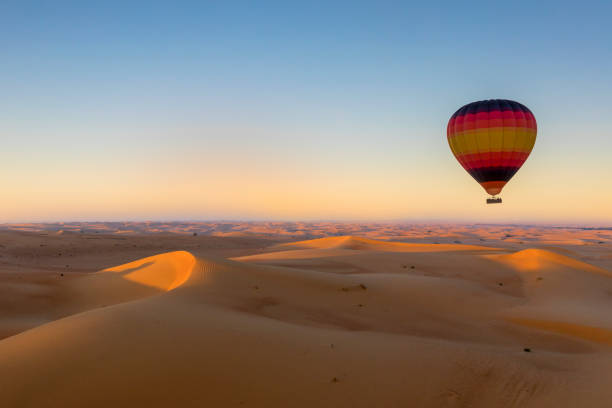
- Air Ballooning Experience Around Marrakech Villages For 2 Hours
- 24/7 MLV On-Call Support
- Buggy Experience For 2 Hours
- Tour Desert On Camel For 2 Hours
- Airport Meet in Morocco and Greet with Private Transfers
PRICES & AVAIBILITY

YOU MAY LIKE ALSO


FAQ
Whether you need a visa depends on your nationality. You can submit and track applications for E-Visa or AEVM (Electronic Travel Authorizations to Morocco) through the Acces Maroc portal.
The maximum duration for a tourist trip is 90 days. If you need to stay longer, you can request an extension at the nearest police station for an additional 90 days.
If you’re part of an organized trip, your passport must be valid for at least the duration of your stay. Always ensure your passport is valid to avoid any inconvenience upon arrival.
Currency exchange is available at airports, banks, hotels, and city exchange offices. You’ll need to present your passport for the transaction.
Yes, international credit cards such as Visa and MasterCard are widely accepted in hotels, some restaurants, shops, and petrol stations. ATM machines for cash withdrawals are also widespread in Morocco.
Yes, you can find internet access at cafes, hotel lobbies, and occasionally free Wi-Fi in public areas. However, internet access in rural areas can be limited. A smartphone with the right plan can provide connectivity almost everywhere.
Both modern flushable toilets and Turkish toilets are available. Tours often aim to visit places with modern facilities.
No, it’s advised to drink bottled water and avoid using tap water for drinking or brushing your teeth. Bottled water is typically provided.
ATM machines are common in airports, metropolitan areas, and medinas but are rare in rural areas. Carry enough cash when traveling outside cities.
Public holidays vary annually due to the lunar calendar. Key holidays include:
- New Year’s Day: January 1
- Independence Manifesto Day: January 11
- Milad un Nabi (Prophet’s Birthday): Varies
- Labor Day: May 1
- Throne Day: July 30
- Eid al-Fitr: Varies
- Eid al-Adha: Varies
- Independence Day: November 18
Yes, Morocco prioritizes the safety of its visitors. To avoid issues, choose a reliable travel company and avoid suspicious places. Local authorities and police are available in tourist areas to address any concerns.
When visiting Morocco, wearing pants and a shirt is common and appropriate, as most locals dress this way. In rural areas, long pants and a long-sleeved shirt can offer protection from the sun and wind.
Pack essential items such as a hat, sunglasses, sunscreen, and insect repellent. Comfortable footwear is vital for extended walking. Consider bringing the following:
- Shawl or scarf: Useful as a wrap, headscarf, or sun shield.
- Comfortable shoes and sandals: A pair for all-day wear and flip-flops or lightweight sandals for comfort.
- Loose-fitting clothing: Choose lightweight, breathable fabrics to stay cool. Avoid tight clothing, and opt for tops with short sleeves or sleeveless styles.
Adapt your wardrobe to the season: layer in winter and opt for light outfits in summer. For formal occasions or upscale dining, bring appropriate attire like a dress or suit.
Yes, alcohol consumption is allowed in licensed venues such as hotels and restaurants. However, drinking in public places and transporting alcohol across the border is prohibited by law. As Morocco is a Muslim country, these restrictions align with local customs and regulations.
It’s challenging to obtain Moroccan Dirham outside the country as it’s a closed currency. Those who manage to do so often face high bank commissions. Once in Morocco, you’ll find ATMs, exchange points, and banks widely available. Many businesses, shops, and restaurants accept credit cards, though a 5% transaction fee is often applied.
