







15 Day Marrakech & Atlas Mountains Trekking Adventure
Day 1 — Arrival in Marrakech & Orientation
Arrive at Marrakech Menara Airport, greeted by a private chauffeur and transferred to a luxury riad. Relax and enjoy mint tea while settling into your suite. Afternoon briefing about your trekking adventure and gear preparation. Evening: welcome Moroccan dinner in a rooftop riad with city and Atlas views.
Day 2 — Marrakech to Imlil & Short Acclimatization Trek
Drive to Imlil, the main gateway to Toubkal National Park (1,740 m). Check into a boutique mountain lodge. Enjoy a short acclimatization trek to nearby villages and terraced valleys. Picnic lunch en route. Evening: traditional Moroccan dinner and stargazing.
Day 3 — Trek to Toubkal Base Camp
Begin the trek toward Toubkal Base Camp (2,600 m). Pass oak forests, Berber villages, and streams along scenic trails. Picnic lunch along the route. Arrive at base camp in the afternoon and check into a mountain refuge. Evening: dinner with views of the surrounding peaks.
Day 4 — Summit Mount Toubkal (4,167 m)
Early morning start to climb Mount Toubkal, North Africa’s highest peak. Witness a breathtaking sunrise over the Atlas Mountains. Descend to base camp for lunch. Afternoon rest before returning to Imlil in the evening. Dinner at the lodge and reflection on the climb.
Day 5 — Trek to Aroumd Valley & Berber Villages
Explore the Aroumd Valley, trekking through terraced fields, ancient pathways, and Berber villages. Picnic lunch along the trail. Engage with locals and experience traditional Berber culture. Return to Imlil for dinner and relaxation in the lodge.
Day 6 — Setti Fatma Waterfalls Trek
Drive to Setti Fatma and trek to the waterfalls. Enjoy streams, trails, and panoramic mountain views. Picnic lunch by the waterfalls. Optional side trails to nearby hamlets for photography. Evening: return to Imlil for a cozy dinner and mountain lodge overnight.
Day 7 — Trek to Tizi n’Tamatert Pass
Trek through Tizi n’Tamatert Pass, enjoying stunning mountain panoramas and remote Berber hamlets. Picnic lunch on the trail. Afternoon descent to your lodge. Evening: relaxation, hammam, and dinner at the lodge.
Day 8 — Explore Mount Ouanoukrim & Surrounding Valleys
Full-day trek exploring the Mount Ouanoukrim area, with alpine landscapes, high valleys, and serene lakes. Picnic lunch during the trek. Evening return to Imlil, followed by Moroccan dinner and local storytelling.
Day 9 — Trek to Imlil & Mountain Villages
Trek through hidden trails around Imlil, visiting small Berber villages and remote terraces. Picnic lunch en route. Afternoon: optional photography walk or interaction with local artisans. Evening: return to lodge for dinner and rest.
Day 10 — Trek to Sidi Chamharouch Shrine
Trek to the sacred Sidi Chamharouch shrine at 2,300 m, surrounded by stunning mountain landscapes. Picnic lunch at the site. Afternoon: return to Imlil via scenic trails. Evening: luxury dinner at the lodge with mountain views.
Day 11 — Trek to Tizi n’Ouagane & Remote Valleys
Trek through the remote valleys of Tizi n’Ouagane, passing cedar forests and small Berber settlements. Picnic lunch along the way. Afternoon: visit local households and interact with Berber families. Return to lodge for evening dinner.
Day 12 — Trek to Tizi Likemt Pass
Full-day trek to Tizi Likemt Pass, offering dramatic mountain views and natural beauty. Picnic lunch with panoramic vistas. Afternoon: descend to Imlil, enjoying river crossings and terraces. Evening: relax and enjoy a spa or hammam at the lodge.
Day 13 — High Atlas Trekking: Scenic Villages
Spend the day trekking through high Atlas villages, terraced slopes, and traditional pathways. Picnic lunch in a remote valley. Evening: return to Imlil for a farewell dinner featuring Berber music and cultural entertainment.
Day 14 — Relaxation & Optional Short Trek
Optional short trek for sunrise or nearby trails. Morning tea with panoramic mountain views. Afternoon at leisure in the lodge, spa treatments, or photography. Evening: farewell Moroccan feast and reflection on the trekking journey.
Day 15 — Return to Marrakech & Departure
Drive back to Marrakech through scenic Atlas roads. Stop for a light lunch and photo opportunities. Arrive at Marrakech Menara Airport for departure, concluding 15 days of intensive trekking, mountain exploration, and luxurious mountain lodging.
TOUR ON MAP
ACCOMODATIONS & ACTIVITIES
Car On Tour Choice
INCLUDING PRESTATIONS
- Private Luxury Transportation Throughout The Tour.
- 4 Nights On Half Board in Palace Hotel Le Royal Mansour
- Personalized, Guided Tours in Key Destinations.
- Tour Desert On Camel For 2 Hours
- Quad Experience For 2 Hours
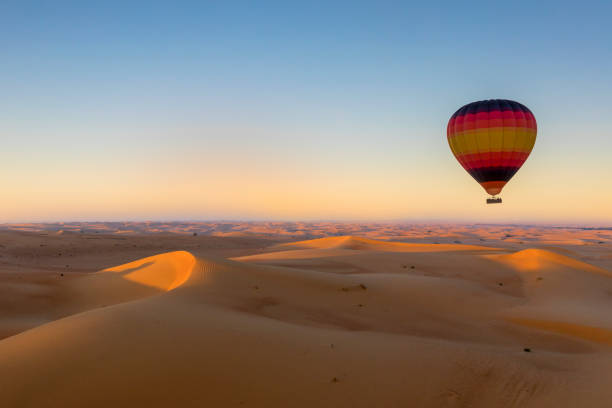
- Air Ballooning Experience Around Marrakech Villages For 2 Hours
- Buggy Experience For 2 Hours
- Parachut Jump With Photos & Videos Package
- All accomodations are in single room
- Airport Meet in Morocco and Greet with Private Transfers
- 24/7 MLV On-Call Support
- Internet access
- Meals (Not included )
- Entrance Fees, Taxes and All Gratuities Except Resident Tour Director
- Travel insurance ( Not includedl)
PRICES & AVAILIBILITY
TRAVEL EXTENSION
YOU MAY LIKE ALSO


FAQ
Whether you need a visa depends on your nationality. You can submit and track applications for E-Visa or AEVM (Electronic Travel Authorizations to Morocco) through the Acces Maroc portal.
The maximum duration for a tourist trip is 90 days. If you need to stay longer, you can request an extension at the nearest police station for an additional 90 days.
If you’re part of an organized trip, your passport must be valid for at least the duration of your stay. Always ensure your passport is valid to avoid any inconvenience upon arrival.
Currency exchange is available at airports, banks, hotels, and city exchange offices. You’ll need to present your passport for the transaction.
Yes, international credit cards such as Visa and MasterCard are widely accepted in hotels, some restaurants, shops, and petrol stations. ATM machines for cash withdrawals are also widespread in Morocco.
Yes, you can find internet access at cafes, hotel lobbies, and occasionally free Wi-Fi in public areas. However, internet access in rural areas can be limited. A smartphone with the right plan can provide connectivity almost everywhere.
Both modern flushable toilets and Turkish toilets are available. Tours often aim to visit places with modern facilities.
No, it’s advised to drink bottled water and avoid using tap water for drinking or brushing your teeth. Bottled water is typically provided.
ATM machines are common in airports, metropolitan areas, and medinas but are rare in rural areas. Carry enough cash when traveling outside cities.
Public holidays vary annually due to the lunar calendar. Key holidays include:
- New Year’s Day: January 1
- Independence Manifesto Day: January 11
- Milad un Nabi (Prophet’s Birthday): Varies
- Labor Day: May 1
- Throne Day: July 30
- Eid al-Fitr: Varies
- Eid al-Adha: Varies
- Independence Day: November 18
Yes, Morocco prioritizes the safety of its visitors. To avoid issues, choose a reliable travel company and avoid suspicious places. Local authorities and police are available in tourist areas to address any concerns.
When visiting Morocco, wearing pants and a shirt is common and appropriate, as most locals dress this way. In rural areas, long pants and a long-sleeved shirt can offer protection from the sun and wind.
Pack essential items such as a hat, sunglasses, sunscreen, and insect repellent. Comfortable footwear is vital for extended walking. Consider bringing the following:
- Shawl or scarf: Useful as a wrap, headscarf, or sun shield.
- Comfortable shoes and sandals: A pair for all-day wear and flip-flops or lightweight sandals for comfort.
- Loose-fitting clothing: Choose lightweight, breathable fabrics to stay cool. Avoid tight clothing, and opt for tops with short sleeves or sleeveless styles.
Adapt your wardrobe to the season: layer in winter and opt for light outfits in summer. For formal occasions or upscale dining, bring appropriate attire like a dress or suit.
Yes, alcohol consumption is allowed in licensed venues such as hotels and restaurants. However, drinking in public places and transporting alcohol across the border is prohibited by law. As Morocco is a Muslim country, these restrictions align with local customs and regulations.
It’s challenging to obtain Moroccan Dirham outside the country as it’s a closed currency. Those who manage to do so often face high bank commissions. Once in Morocco, you’ll find ATMs, exchange points, and banks widely available. Many businesses, shops, and restaurants accept credit cards, though a 5% transaction fee is often applied.